Sheep with Light Coat: A Designer's Review
As an experienced embroidery designer, I spend my days evaluating digital assets for everything from corporate uniforms to high-end streetwear. Recently, I was tasked with curating a limited drop of premium sweatshirts for a boutique brand that specializes in cozy, seasonal apparel. The goal was to find a design that felt rustic yet refined, suitable for a Farm Animals category but elevated enough to command attention on the shelves. That is when I discovered Sheep with Light Coat. This review breaks down exactly how this piece performs as a sweatshirt embroidery project and whether it fits the criteria for a serious commercial collection.
First Impressions: Mood and Design Personality
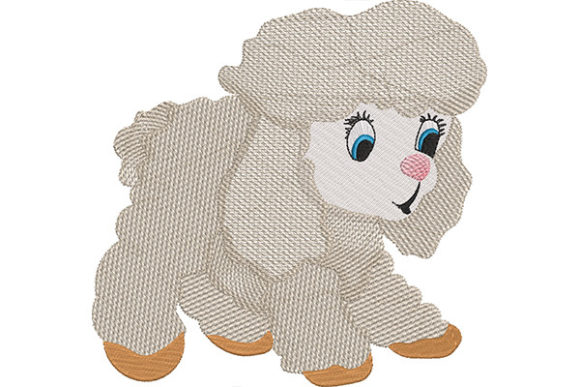
The moment you open the file for Sheep with Light Coat, the layout suggests a balance between playful charm and sophisticated minimalism. Unlike many generic farm animal designs that can feel cluttered or overly cartoonish, this piece appears to have a clean silhouette. The title itself implies a softness that translates well into thread work. When visualizing this on a neutral oatmeal-colored sweatshirt, the design feels instantly premium. It does not scream for attention; instead, it invites the viewer to appreciate the texture of the stitches.
I found the stitching personality to be versatile. Depending on the thread colors chosen, Sheep with Light Coat could lean heavily into a feminine aesthetic if paired with pastel pinks or lavenders, or it could adopt a bold, graphic look with deep charcoal and navy threads. For a boutique brand aiming for a "cozy seasonal" vibe, the design offers a perfect middle ground. It is cute without being childish, making it ideal for adult apparel rather than just children's wear. The potential for this design to serve as a key design asset for a brand identity is significant because it carries a specific mood that customers can easily recognize.
Real-World Application on Fabric Textures
Moving from the screen to the hoop, the practical application of Sheep with Light Coat becomes the most critical factor. Sweatshirt fabric presents unique challenges due to its thickness and looped texture. My initial test involved placing the design on the chest of an oversized hoodie. The result was impressive; the design held its shape well against the heavy cotton blend. However, achieving this look requires careful attention to stabilizer choice.
For medium-weight fleece, a cut-away stabilizer is essential to prevent the fabric from puckering around the edges of the sheep. If you are working with lighter jersey blends, a tear-away might suffice, but the description notes that the model looks great on various fabrics, including jackets and pillows. This versatility means you must adjust your technique based on the fabric texture. On dark fabrics, the contrast provided by the light coat theme of the design pops beautifully, creating a striking visual statement. Conversely, on pastel colors, the design integrates seamlessly, offering a subtle, textured accent that elevates the garment from basic to bespoke.
Placement Strategies for Boutique Brands
- Chest Placement: Standard sizing works perfectly for the left breast pocket area, creating a classic, understated look that appeals to the modern consumer.
- Sleeve Accents: Due to the compact nature of the design, Sheep with Light Coat is excellent for sleeve cuffs or upper arm placements, adding a touch of detail without overwhelming the silhouette.
- Back Designs: For a more dramatic effect, scaling the design up for a full back print can create a statement piece that stands out in lifestyle product photography.
Technical Considerations for Commercial Use
When preparing a digital embroidery file for production, technical specifications matter immensely. While the product description assures us that the design ensures high quality, a professional designer knows that the devil is in the details. One of the primary concerns with any embroidery file intended for mass production is stitch density. High density can make a sweatshirt stiff and uncomfortable, while low density can result in a muddy appearance where individual stitches are lost in the fabric loops.
Before committing to a large run, I recommend testing the thread color contrast carefully. The "Light Coat" aspect of the design likely relies on satin stitches or fine fill patterns to mimic wool. If the thread count is too high, the design may lose definition on thicker materials. Additionally, checking the hoop size requirements is vital. Most boutique brands use standard 4x4 or 5x7 hoops, so ensuring the design fits within these constraints without excessive trimming is necessary for efficiency.
The description mentions using proper stabilizers depending on the fabric used. This is a crucial directive. For commercial embroidery projects like a limited drop, skipping the right stabilizer can lead to washing durability issues. Customers expect their custom apparel to withstand multiple washes without the design cracking or pulling away. By selecting the correct support material, you ensure that Sheep with Light Coat remains a durable part of the garment, reinforcing buyer trust in your handmade product.
Impact on Brand Identity and Customer Engagement
Beyond the technical execution, the choice of design significantly impacts the perceived value of your small shop product. In the competitive world of Etsy sellers and online boutiques, visual recognition is currency. A design like Sheep with Light Coat has the potential to become a signature element of your brand. When customers see this specific sheep motif on a tag or a mockup preview, they begin to associate it with the quality and style of your store.
This design also opens doors for creative marketing. Imagine a series of lifestyle photos featuring models wearing the sweatshirt in autumnal settings, perhaps holding coffee or walking through a park. The rustic charm of the Embroidery art complements these themes perfectly. It tells a story of warmth, comfort, and nature, which resonates deeply with the target audience for cozy apparel. Furthermore, having a cohesive design language helps in creating printable mockups that look professional and polished, distinguishing your listing from competitors who use generic clipart.
Final Thoughts for the Creative Entrepreneur
In conclusion, Sheep with Light Coat is more than just a simple image; it is a viable component for a high-quality custom apparel line. Its adaptability across different fabric types—from T-shirts to jackets—makes it a smart investment for diversifying your inventory. Whether you are a crafter looking to expand your offerings or a business owner planning a seasonal launch, this design provides the foundation for a premium finished product.
However, remember that the success of the final output depends on your execution. Always verify the specific stitch counts, file formats, and recommended hoop sizes before starting production. Ensure you have the right stabilizers on hand to support the fabric structure. By paying attention to these details, you transform a digital file into a tangible asset that enhances your brand's reputation. For those ready to elevate their sweatshirt embroidery game, Sheep with Light Coat offers a charming, professional, and commercially viable solution that stands out in a crowded marketplace.