Pig Embroidery Design Review for Business Merch
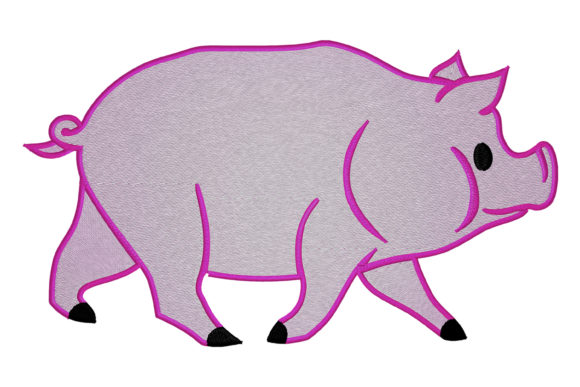
As an experienced embroidery designer who has spent years crafting assets for everything from high-end boutique labels to mass-market promotional items, I know that selecting the right machine embroidery design is about more than just aesthetics. It is a strategic decision that impacts your production costs, customer perception, and brand longevity. Today, I am reviewing the Pig design from the Farm Animals category. This piece markets itself as a versatile asset suitable for pillows, t-shirts, sweatshirts, and various other textiles. But does it hold up when you are looking to integrate it into professional small business merch, branded patches, or staff uniforms? Let's dive into a practical evaluation.
First Impressions: Personality and Visual Fit
The title "Pig" combined with its classification under Farm Animals suggests a design that leans towards rustic charm, playful energy, or perhaps a touch of modern minimalism depending on the execution. In my initial assessment, this design feels approachable and friendly. For a bakery, pet brand, or local farm shop, this personality is exactly what you need to build an emotional connection with customers. It avoids being overly stiff or corporate, making it an excellent choice for handmade product lines where authenticity is key.
However, the description mentions "high-quality," which implies a level of detail that must be scrutinized. A good embroidery file for business use needs to balance character with clarity. If the design is too intricate, it risks losing definition on smaller items like caps or aprons. If it is too simple, it might lack the premium feel required for higher-priced merchandise. The Pig design appears to strike a balance between bold enough to be seen and detailed enough to look professional.
Real-World Application in Small Business Settings
Let's imagine a scenario where a small café or a boutique handmade shop wants to launch a line of branded goods. How does Pig perform in these real-world applications?
- Embroidered Patches: This is one of the most lucrative uses for a design like this. A well-executed embroidered patch featuring Pig can serve as a badge of honor on denim jackets, tote bags, or backpacks. It acts as a standalone logo that customers can wear, turning them into walking billboards for your brand.
- Staff Uniforms and Aprons: For bakeries or cafes, placing Pig on the chest of an apron adds a welcoming touch. It humanizes the service experience. Unlike a generic text logo, a character design like this creates a memorable visual anchor for your team.
- Caps and Hats: Cap embroidery requires precision. If the Pig design has clean outlines and manageable stitch density, it will translate beautifully to the curved surface of a baseball cap or a trucker hat, perfect for event merch or trade shows.
- Tote Bag Designs: Tote bags are a staple for Etsy sellers and crafters. A Pig motif here offers a fun, functional accessory that aligns perfectly with eco-friendly branding. It is large enough to make a statement but compact enough to remain elegant.
- Product Packaging Accents: Consider using this design on hang tags or fabric labels sewn into the hem of clothing. These subtle details elevate the perceived value of the finished product, signaling that care was taken in every aspect of creation.
Where Caution Is Required
While Pig is versatile, there are specific scenarios where a designer must exercise caution. Not every design fits every application without modification.
If you plan to use this as a custom apparel accent on very small patches, you must ensure the design retains its integrity at reduced scales. Tiny lettering or extremely fine details often get lost in the stitching process, resulting in a muddy appearance. Similarly, if the design features high stitch density, it may become stiff and uncomfortable when placed on delicate fabrics or tight areas like the front of a cap.
Texture is another critical factor. On rough fabrics like heavy canvas or textured wool, fine details can disappear. Conversely, on slippery materials like polyester blends, the design might pucker if not stabilized correctly. Dark uniforms present a challenge; if the Pig design relies heavily on light thread colors, it may lack the necessary contrast unless a proper underlay is used. Finally, items that undergo frequent industrial washing require robust designs. Loose stitches or complex outlines can degrade over time, so always verify the durability of the digitization before committing to a large run.
Impact on Brand Identity and Customer Trust
In the world of commercial embroidery, your visual assets are the face of your business. A cohesive look builds trust. When a customer sees a consistent, high-quality image of Pig across their tote bag design, their coffee cup sleeve, and their employee shirts, it reinforces brand recognition. It tells them that your business is organized, professional, and pays attention to detail.
A poorly executed design, even if the concept is cute, can undermine that trust. It might suggest a lack of professionalism or cut corners. However, a well-placed, crisp Pig design enhances the finished product. It adds a layer of personality that mass-produced goods often lack. This emotional resonance is crucial for engagement. Customers are more likely to share photos of unique, charming merchandise on social media, effectively providing free marketing for your brand.
Practical Designer Notes for Production
Before you hit "start" on your machine, there are several technical steps you must take to ensure success. As a fellow creator, I recommend the following workflow:
- Test in Black and White: Convert your digital preview to grayscale first. This helps you evaluate the contrast and balance of the design without the distraction of color. If the shapes don't read clearly in monochrome, they won't work well in embroidery either.
- Check Scale and Hoop Size: Review the hoop size requirements of the file. Ensure the design fits within your standard hoop dimensions for the intended item. A design meant for a 5x7 hoop might be too large for a standard cap front, requiring resizing that could distort the aspect ratio.
- Analyze Thread Colors: Select thread colors that offer strong contrast against your target fabric. The description mentions multiple formats, but it doesn't specify the palette. You must choose threads that complement your brand identity while ensuring visibility.
- Inspect Spacing and Density: Look closely at how the stitches are arranged. Areas with high density can cause puckering, especially on lightweight fabrics. Ensure there is adequate spacing between elements to prevent the design from becoming a solid block of thread.
- Stabilizer Selection: Never skip the stabilizer step. The type of backing (cut-away vs. tear-away) depends entirely on the fabric texture and the weight of the design. Using the wrong stabilizer is the leading cause of production failures.
- Create a Printable Mockup: Before running a full production batch, create a printable mockup to show clients or stakeholders. This allows for approval on placement and sizing before any actual stitching occurs.
- Verify Licensing: Most importantly, confirm the commercial licensing terms. Just because a file comes with multiple formats does not automatically grant you the right to sell products made with it. Always check the license agreement to avoid legal issues.
The Pig design holds significant promise for small business owners looking to add a unique touch to their inventory. Whether you are an Etsy seller creating custom gifts, a creative studio designing design assets for clients, or a retailer expanding your brand identity, this farm animal motif offers a flexible foundation. By treating it with the same rigor as a major corporate logo—testing, refining, and respecting the technical constraints—you can transform a simple digital file into a powerful tool for business growth.