Review: Cow Design for Boutique Sweatshirts
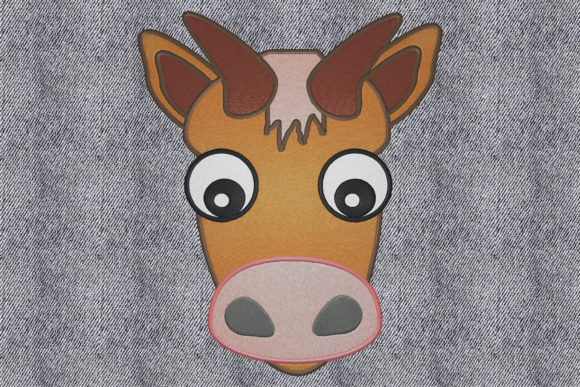
As an experienced embroidery designer, I spend a lot of time evaluating digital assets before they hit the production floor. Recently, I came across a design titled Cow, described as a "Cow face embroidery design" suitable for various items like pillows and t-shirts. While the description is brief, my focus was on its potential application within a premium sweatshirt collection for a small boutique brand. When you are running a handmade business or operating as an Etsy seller, the difference between a generic print and a high-quality embroidered piece often comes down to the specific character of the design itself.
In this review, I will walk through how this Cow motif translates from a digital file into a tangible, wearable product. We need to look beyond the basic definition of Farm Animals and understand how the stitching personality interacts with fabric texture, thread colors, and the overall vibe of your apparel line.
First Impressions and Design Personality
The first thing that strikes me when looking at a design labeled simply as Cow is the mood it sets. Is it rustic and vintage, playful and cartoonish, or minimal and modern? For a boutique brand aiming for a cozy, seasonal aesthetic, the success of this piece relies heavily on whether the face features soft curves or bold lines. A cow face design has the potential to be incredibly cute, but it can also feel too childish if the stitch density is not managed correctly.
When I imagine this Cow design on a finished product, I am looking for a balance between detail and clarity. Embroidery is a tactile medium; it needs to have depth. If the design is too sparse, it might look cheap on a heavy cotton blend sweatshirt. However, if the stitch density is too high, the fabric could pucker, ruining the drape of the garment. The ideal outcome is a design that feels sturdy enough to withstand washing but delicate enough to convey a sense of charm. This is crucial for building buyer trust in your custom apparel offerings.
Applying Cow to Sweatshirt Embroidery
The primary use case here is sweatshirt embroidery. Unlike t-shirts, which are often thin and stretchy, hoodies and sweatshirts have a thicker pile and more structure. This thickness provides a wonderful canvas for embroidery, allowing the threads to stand out with significant dimension. I envision the Cow face sitting prominently on the chest area of a neutral-colored hoodie, perhaps in oatmeal, heather grey, or cream. These neutral tones allow the thread colors to pop without overwhelming the wearer.
For dark fabrics, the contrast becomes even more critical. A white or light pastel thread outline against a navy or black sweatshirt creates a bold, graphic look that fits well with urban streetwear trends. Conversely, using darker threads on a pastel hoodie offers a softer, more feminine appeal that aligns perfectly with lifestyle product photography styles popular on social media. The versatility of this design allows it to work on oversized hoodies, where a slightly larger placement adds to the relaxed, effortless vibe.
Beyond the chest, there is room for creativity. The Cow motif could serve as a subtle sleeve accent, adding a playful touch without dominating the entire garment. It could also be scaled down for a back neck label or used as part of a larger farm-themed collection on the lower back hem. This kind of strategic placement elevates a standard piece of clothing into a branded statement item.
Technical Considerations for Production
Before moving to mass production, there are several practical concerns that every embroidery shop owner must address. One of the most important factors is the choice of stabilizer. Because sweatshirt fabric is thick and prone to stretching, a cut-away stabilizer is usually necessary to maintain the integrity of the Cow design over time. Without proper support, the stitches may distort after the first wash, leading to customer returns and damaged reputation.
Hoop placement is another technical hurdle. The curvature of a hoodie's shoulder and chest area can make it difficult to keep the design flat. You must ensure that the hoop size accommodates the curve of the garment so that the stitching remains even. Additionally, the readability of the design at smaller sizes is key. If you plan to offer this design on children's wear or as a pocket print, you need to verify that the facial details remain distinct and do not blur together.
We must also consider the durability of the machine embroidery design. Commercial-grade embroidery requires strong tension and appropriate thread weights. If the design is intended for frequent wear, the thread colors should be fade-resistant and the stitches tight enough to prevent snagging. Always check the specific embroidery file instructions regarding recommended thread types and underlay stitches to ensure the final result meets professional standards.
Brand Identity and Market Value
For an Etsy seller or a creative entrepreneur, the visual impact of a design directly influences product value. A well-executed Cow embroidery can transform a basic sweatshirt into a collectible item. It signals quality and attention to detail, which are essential for establishing a strong boutique brand.
When creating mockup previews or printable images for listings, the texture of the embroidery adds realism. Customers want to see how the threads catch the light and how the design sits on the fabric. High-quality images of the Cow design on different fabric textures help buyers visualize the product, increasing engagement and conversion rates. It turns a simple digital asset into a desirable physical object.
This design also taps into the growing trend of farm-core aesthetics and rustic decor. By incorporating Farm Animals themes into wearable art, you connect with customers who appreciate a cozy, nostalgic lifestyle. The handmade product aspect is amplified when the design feels unique and thoughtfully placed. It tells a story about the brand's identity—whether that is playful, minimalist, or deeply rooted in nature.
Essential Checks Before Launching
While the concept is promising, there are gaps in the provided information that must be filled before any production begins. The description mentions "multiple embroidery file formats," but it does not specify exactly which ones (e.g., .DST, .PES, .EXP). As a designer, I would advise checking these details immediately to ensure compatibility with your specific machine software. Similarly, the exact stitch count and hoop size recommendations are missing from the initial summary.
To avoid costly mistakes, always test the digital embroidery file on a scrap piece of the actual sweatshirt fabric you intend to use. Verify the thread color contrast and adjust the digitization if necessary. Ensure that the design is licensed for commercial use if you plan to sell the finished garments. Skipping these steps can lead to wasted materials and unhappy customers.
Ultimately, the Cow design has the potential to be a standout piece in a limited drop or a staple item in a seasonal collection. Its success depends on the execution—the right stabilizer, the perfect thread selection, and the careful consideration of where it sits on the garment. By treating this design with the respect it deserves, you can create a finished product that resonates with your audience and strengthens your brand's presence in the competitive world of custom apparel.