Toy Whirligig: A Designer's Review for Craft Fairs
Stepping into a craft fair booth, I am looking at hundreds of items. The difference between a product that sits on the table and one that gets picked up often comes down to visual impact and perceived value. As an experienced embroidery designer, I recently evaluated a new machine embroidery design titled Toy Whirligig. My goal was to determine if this piece would stand out in a crowded marketplace or if it would get lost among the competition. After reviewing the description and imagining its application on various handmade goods, here is my professional assessment of how this design performs for sellers, Etsy shop owners, and boutique makers.
First Impressions: Bright, Bold, and Child-Centric
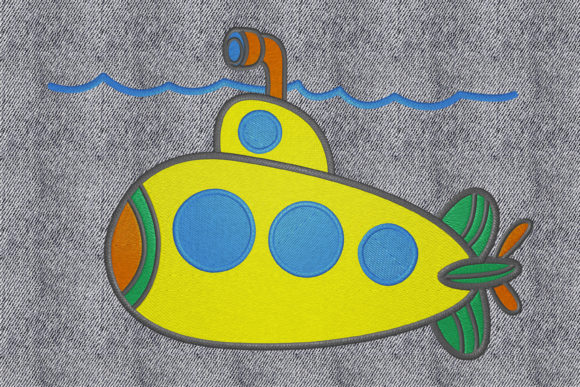
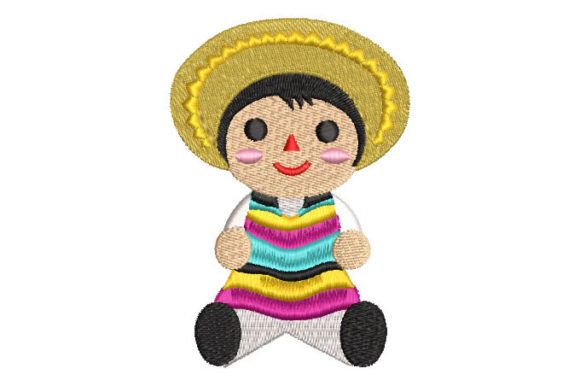
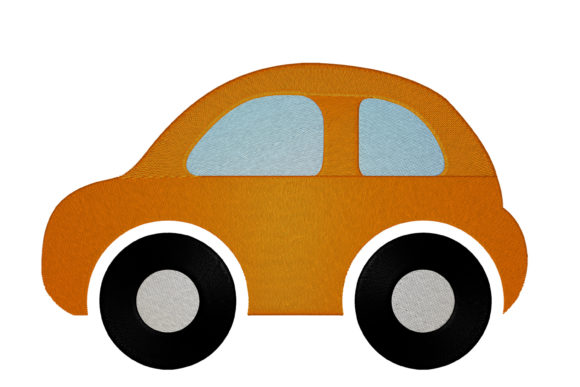
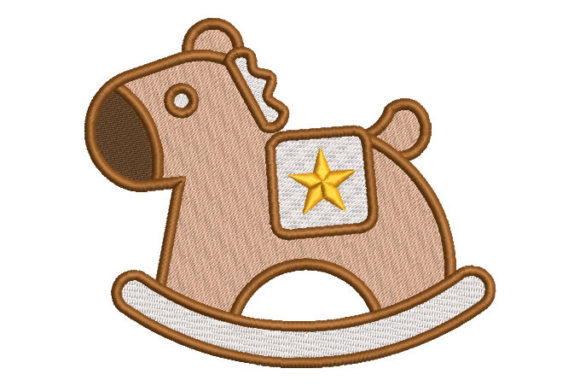
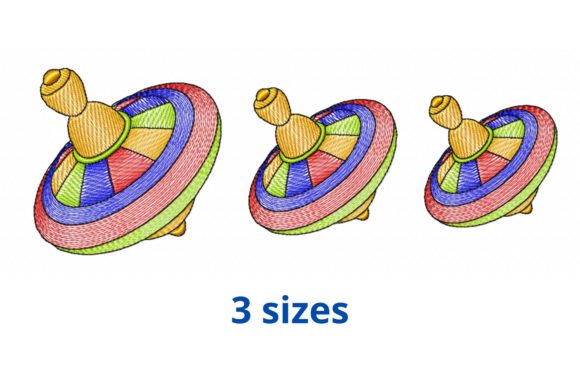
The title Toy Whirligig immediately suggests movement and playfulness. Combined with the description noting it is a multi-colored bright children s toy, the first impression is undeniably cheerful and energetic. It does not feel like a subtle farmhouse accent or a minimalist modern logo; instead, it screams fun. This makes it perfect for baby clothes, bibs, and crib sides as mentioned in the product details. However, for a craft fair seller, the question becomes: can this "bright" aesthetic translate well onto non-baby items?
In a booth setting, color is king. If the thread colors are vibrant, this design will act as a magnet for parents and gift buyers. It feels festive and soft, which aligns perfectly with the emotional needs of customers shopping for gifts. The design promises to be a focal point rather than a background element. For a digital embroidery file seller, this level of clarity in the concept means your marketing images will likely perform well because the subject matter is instantly recognizable.
Product Potential: Where Does Toy Whirligig Shine?
To maximize sales, you must match the design to the right substrate. I have analyzed where Toy Whirligig fits best within a typical handmade product line:
- Tote Bag Design: A tote bag is a high-volume item at craft fairs. Placing Toy Whirligig on a canvas tote creates a playful contrast. It transforms a utilitarian item into a statement piece. Customers love bags that reflect their personality, and this bright motif offers a great way to do that.
- Apron Embroidery: For the kitchen or crafting apron market, this design adds a whimsical touch. It breaks the monotony of solid colors and appeals to those who enjoy baking or cooking with kids. It works exceptionally well as a chest pocket accent or a large central feature.
- Tea Towel Embroidery: Kitchen linens are a staple of the handmade market. Because tea towels are often white or light-colored, the multi-colored nature of Toy Whirligig will pop beautifully. It serves as a decorative piece that elevates the price point of a simple towel.
- Embroidered Patch: If the design has clean edges, it could be digitized as a patch to sell separately. Patches allow customers to apply the design themselves, increasing the versatility of your inventory.
- Small Pouches and Market Bags: These smaller items require designs that aren't too dense. If Toy Whirligig is compact enough, it is ideal for zipper pouches used for cosmetics or small gadgets.
- Pillow Covers: For home decor sections of a booth, a pillow cover featuring this design adds a splash of color to a nursery or child's playroom display.
Production Practicality and Batch Selling
When running a small shop, efficiency is key. You need to know if Toy Whirligig is repeatable. Can you produce ten of these in an hour, or will it take all day? The description mentions it comes with multiple embroidery file formats, which is excellent news for compatibility across different machines. However, before committing to a batch production run, you must evaluate the stitch density.
If the design features tiny details or intricate lettering, it may lose clarity when embroidered quickly on busy fabric textures. A design that looks good on a computer screen might look muddy on a textured towel or a curved cap surface. For a commercial embroidery business, consistency is vital. If the stitch density is too high, the fabric might pucker, leading to returns and unhappy customers. Conversely, if it is too sparse, it may lack the premium quality that justifies a higher price tag.
Photography is another critical factor. When creating printable mockups for your Etsy listings, ensure the design photographs well under natural light. Bright colors can sometimes wash out in photos if the lighting isn't right. Test the finished product against your background to ensure the Toy Whirligig stands out in your digital storefront just as much as it does on your physical table.
Careful Use Notes and Technical Challenges
Even the best designs have limitations. Here are the specific areas where Toy Whirligig requires careful attention during production:
- Dense Stitch Areas: If the whirligig blades or center hub are heavily filled, check the stabilizer. You may need a cut-away stabilizer to prevent puckering on lightweight fabrics like baby clothes.
- Small Details: Inspect the design for tiny elements that might get lost. On dark fabric, fine lines may disappear unless you use a high-contrast thread color or a backing layer.
- Fabric Texture: Textured towels or thick denim can hide the definition of the design. Always test on the actual fabric you intend to sell.
- Hoop Size: Ensure your hoop size matches the design dimensions. If the design is large, you will need a larger hoop, which limits where you can place it on certain products like caps or small pouches.
- Thread Colors: Verify that the thread palette provided allows for enough contrast. If the design relies on subtle shading, it may look flat with standard polyester threads.
Designer's Checklist for Success
Before you list Toy Whirligig as a finished product or a digital asset, follow this professional checklist to ensure quality:
- Test on Scrap Fabric: Never skip this step. Run the design on the same fabric type you plan to sell to check for registration issues.
- Review Spacing: Check the placement guidelines. Is there enough room around the design for stitching without hitting seams?
- Inspect Stitch Density: Look closely at the fill stitches. Are they too tight? Do they create ridges that feel rough to the touch?
- Create Real Mockups: Don't rely solely on digital renderings. Photograph a real sample to show potential buyers exactly what they are getting.
- Confirm Commercial Licensing: Before selling finished products, verify the terms of the digital embroidery file. Ensure you have the rights to sell the physical items made from this design.
Final Verdict for Craft Fair Sellers
Toy Whirligig has strong potential as a craft fair product. Its bright, multi-colored nature makes it highly visible and attractive to families looking for unique gifts. Whether you are selling tote bags, aprons, or nursery items, this design adds a layer of charm that resonates with buyers. By paying attention to the technical details—stabilizer choice, thread contrast, and fabric texture—you can turn this design asset into a best-selling item in your handmade shop. Remember, the goal is to create a finished product that feels premium and thoughtful, ensuring your brand stands out in a competitive market.