Scary Pumpkins: A Designer's Review for Craft Fairs
As an experienced embroidery designer who has spent countless weekends setting up booths at local craft fairs and preparing inventory for handmade markets, I know that the difference between a product that sits on a table and one that sells out in minutes often comes down to one thing: immediate visual impact. Today, I am reviewing the Scary Pumpkins machine embroidery design with a critical eye, not just as a digital asset, but as a potential bestseller for my own booth. When you are holding a stack of aprons or arranging tote bags for a weekend market, you need designs that speak loudly without saying a word.
The First Impression: Festive and Bold
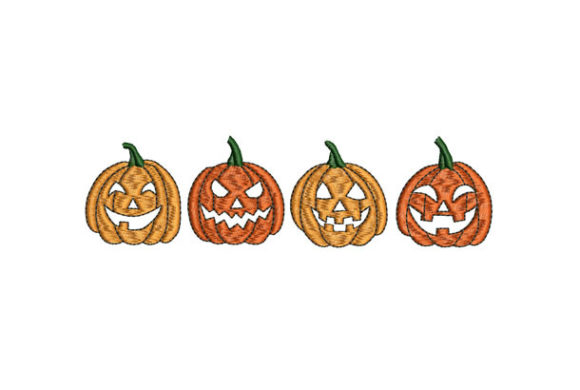
The title Scary Pumpkins immediately sets a specific tone. It suggests something playful rather than terrifying, leaning heavily into the fun, whimsical side of Halloween night. In a sea of generic fall leaves and cornucopias, this design promises a character-driven aesthetic that feels modern yet rustic. From a marketing perspective, it hits the sweet spot for customers looking for "farmhouse" decor with a twist of personality. The description notes that it is perfect for the month of Halloween, which tells me this is a seasonal powerhouse designed to catch the eye of impulse buyers walking through the aisles.
When I imagine placing this on a display table, the design feels bold enough to stand out from a distance. It does not feel like a delicate, invisible accent; instead, it feels like a statement piece. This is crucial for craft fair products where customers are scanning quickly. The name alone creates curiosity, making shoppers want to lean in closer to see exactly how scary these pumpkins really are.
Product Potential Across Your Inventory
In my experience running a small shop, versatility is key. The Scary Pumpkins design appears to be highly adaptable across various mediums, making it an excellent choice for a diverse inventory. Let us look at how this embroidery file performs on different items that are staples for any Etsy seller or boutique maker.
- Tote Bag Design: A large tote bag offers a perfect canvas. If the design allows for a larger placement, it transforms a plain canvas bag into a unique market bag that screams autumn vibes. Customers love functional gifts, and a bag featuring Scary Pumpkins is practical yet festive.
- Apron Embroidery: For the home cook or the baker selling goods at a farmers market, an apron with this motif is a hit. It adds a touch of humor to the kitchen during the holiday season. The contrast of the design against denim or white cotton makes it pop visually.
- Tea Towel Embroidery: Kitchen towels are high-volume sellers. This design works beautifully as a central focal point or repeated along the hem. It appeals to those looking for handmade product that feels personal and warm.
- Embroidered Patch: One of the most profitable uses of a design like this is creating detachable patches. You can sell them individually or attach them to hats and jackets. This turns a single digital embroidery file into multiple revenue streams.
- Caps and Pouches: For smaller items like caps or fabric pouches, the design needs to be scaled correctly. These make excellent low-cost add-ons at checkout counters or gift tables.
Production Practicality and Visual Appeal
From a production standpoint, I evaluate whether a design is easy to understand at a glance. Does it translate well when stitched? The concept of Scary Pumpkins suggests clear shapes that should photograph well for online listings. High-quality photos are essential for printable mockups and Etsy listings, and a design with distinct features will capture attention better than a blurry, indistinct image.
I also consider batch production. Can I stitch ten of these in an hour? If the design is too complex with excessive color changes or tiny details, it slows down the workflow. However, if it balances detail with efficiency, it becomes a reliable commercial embroidery item. The goal is to create a finished product that looks premium and professional, reinforcing brand consistency every time a customer opens their purchase.
Crucial Considerations for Quality Control
Before I commit to mass-producing Scary Pumpkins, there are several technical factors I must address. As a designer, I know that what looks good on a screen does not always translate perfectly to fabric. Here are the specific areas where caution is required.
- Dense Stitch Areas: If the pumpkin faces have heavy shading, dense stitching can cause puckering, especially on thinner fabrics like tea towels. I would test the density first to ensure the fabric lies flat.
- Tiny Details: Small features like eyes or mouths might get lost if the design is shrunk down for a patch or a small pouch. It is vital to check if the design retains clarity at smaller sizes.
- Fabric Texture: Textured towels or thick denim may obscure fine lines. I need to select thread colors that provide enough contrast to cut through the texture of the material.
- Curved Surfaces: Embroidering on caps requires a curved hoop. If the design is too wide, it may distort around the curve of the hat. Confirming the hoop size relative to the design dimensions is non-negotiable.
- Dark Fabric: On dark backgrounds, lighter threads may disappear. I would advise using a stabilizer that supports the fabric and potentially adding a backing layer to prevent show-through.
The Designer's Checklist for Success
To ensure that Scary Pumpkins becomes a standout item at your next event, follow this practical workflow. Never skip the testing phase. Always start by stitching the design on scrap fabric that matches your final product material. Check the thread contrast under natural light, as artificial booth lighting can sometimes wash out colors.
Review your spacing carefully. Ensure the design fits comfortably within your chosen hoop size without cutting off edges. Inspect the stitch density to see if any areas look too tight or loose. Use the right stabilizer for the specific fabric weight; this is often the secret to a professional finish. Create at least one real mockup to photograph for your design assets and social media. Compare different fabric colors to see which ones make the design pop the most.
Finally, before listing these items for sale, confirm the commercial licensing terms. Just because a machine embroidery design is purchased does not automatically grant the right to sell finished products. Verify that the license allows for small shop product sales and that you are compliant with all usage rights.
By treating Scary Pumpkins with this level of scrutiny, you transform a simple digital file into a tangible, high-value handmade gift. When customers see the quality of your work and the cleverness of the design, they engage with your booth more deeply. They do not just buy a towel; they buy the story of the Scary Pumpkins and the care you put into creating it. That is how you build a loyal following and turn a weekend craft fair into a successful business.