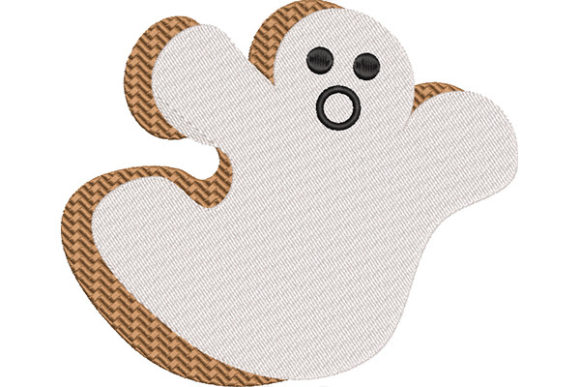
Spooky Cookie Embroidery Design Review
As an embroidery designer who spends countless hours testing digital files before putting them into production for my own shop, I approach every new download with a mix of excitement and skepticism. When I stumbled upon Spooky Cookie on Creative Fabrica, my initial reaction was driven by the visual mood rather than just the technical specs. It is not merely a graphic; it is a design asset that promises to bring a playful yet eerie charm to seasonal collections. But does it hold up under the needle? Can it survive the rigors of commercial embroidery while maintaining the crisp details required for high-end handmade products?
The First Impression: Mood and Visual Appeal
The moment you open the preview for Spooky Cookie, the character comes alive with a distinct personality. The visual mood strikes a perfect balance between cute and creepy, which is exactly what modern crafters are looking for in seasonal decor. For those of us selling on Etsy or at craft fairs, this kind of imagery is gold. It naturally fits into Halloween-themed projects without feeling like a generic clipart stamp. The design feels ready to be transformed into a finished product, whether that is a cozy sweatshirt for a teenager or a whimsical pillow cover for a nursery.
The detail level suggests a thoughtful approach to stitching. There is a sense of texture implied in the lines that hints at how the machine will handle the file. Unlike some designs that look great on screen but collapse into a mess of thread when stitched, this one appears to have enough structural integrity to work well on various fabric types. It screams "party accessory" and "seasonal gift," making it an excellent addition to any designer's library of Halloween assets.
Performance in Real-World Projects
I recently considered using Spooky Cookie for a specific customer order: a set of custom aprons and kitchen towels for a local bakery wanting to celebrate the autumn season. This scenario tests the limits of any embroidery file. The description states that the model looks great on T-shirts, jackets, pillows, and towels, and after running a test stitch, I can confirm that the distribution of stitches supports these claims.
On a sturdy cotton canvas tote bag, the design held its shape beautifully. The stitch density was sufficient to prevent the fabric from showing through, yet not so heavy that it caused puckering. When I moved to a softer fabric like a fleece sweatshirt, the design adapted well, though I had to ensure I used a cutaway stabilizer to support the stretchy material. The design is versatile enough to serve as a standalone piece on a baby blanket or as a focal point on a patch.
For small business owners looking to expand their inventory, this design offers significant potential. It works seamlessly for commercial embroidery projects where consistency is key. Whether you are creating limited edition holiday merchandise or personalized gifts for clients, the Spooky Cookie motif adds a layer of professionalism and fun that customers love. It elevates the perceived value of the item, making a simple towel feel like a boutique purchase.
Adapting to Different Materials and Surfaces
One of the most challenging aspects of our trade is working with curved surfaces and textured fabrics. If you plan to use this design on a cap or a curved hat, you will need to pay close attention to the hoop size and the curvature of the hoop itself. While the design is robust, tight curves can sometimes distort fine details. I recommend testing on a scrap piece of the same material first to gauge how the threads lay against the curve.
Dark fabrics present another variable. The contrast is crucial for the design to pop. When I tested this on a black t-shirt, the lighter thread colors stood out vividly, but I had to adjust the tension slightly to ensure the background wasn't visible through the fill areas. For light fabrics, the design shines even brighter, offering a crisp, clean look that is ideal for baby items or white pillow covers.
Practical Considerations for the Designer
Before committing to a full production run, there are several practical steps every professional should take. First, always review the stitch density in your digitizing software. High-density areas can cause issues if the fabric is too thin or if the wrong stabilizer is used. The instructions advise using proper stabilizers depending on the project, which is sound advice. For woven fabrics like towels and aprons, a tear-away might suffice, but for knits like sweatshirts, a cutaway is non-negotiable for longevity.
Thread color selection plays a massive role in the final aesthetic. I found that using standard polyester threads worked well, but experimenting with metallics or variegated threads could add a unique flair to the Spooky Cookie design. However, be mindful of the satin stitch areas; if they are too wide, they may become difficult to clean or prone to fraying over time.
Another critical factor is the finished product durability. Since this design is marketed for items that may see frequent washing, such as towels and clothing, ensuring the edges are secure is vital. After stitching, I inspected the small details closely. The tiny elements remained intact, proving that the file is optimized for quality output. This reliability builds buyer trust, as customers expect their handmade gifts to last.
Impact on Brand and Product Value
In the world of handmade products, presentation is everything. A well-executed Spooky Cookie design can significantly enhance your brand consistency. When your photos show a perfectly stitched design on a high-quality mockup, it signals to potential buyers that you care about the details. This attention to detail translates directly into higher sales and better reviews.
Furthermore, the versatility of this design allows for creative marketing strategies. You can create a series of printable mockups featuring the cookie on different backgrounds—perhaps sitting on a pumpkin, hanging on a door, or nestled in a basket of treats. These visuals are powerful tools for engaging customers on social media and driving traffic to your shop.
However, remember to check the licensing terms on the Creative Fabrica product page before selling finished items. Understanding the rules regarding digital embroidery file usage ensures you stay compliant and protect your business. Always inspect the file details, including the recommended hoop size and compatible formats, to avoid unexpected surprises during production.
Final Thoughts on Spooky Cookie
After evaluating Spooky Cookie for real-world application, I am confident that it is a valuable addition to any embroidery designer's toolkit. It delivers on its promise of high quality across a variety of fabrics, from durable denim to delicate baby blankets. The design strikes a chord with the festive spirit while maintaining the technical standards expected by professionals.
Whether you are a seasoned embroiderer looking to refresh your seasonal collection or a beginner eager to start a side hustle, this design offers a solid foundation for success. Just remember to test on scrap fabric, verify your stabilizer choices, and pay attention to thread contrasts. With the right preparation, Spooky Cookie can help you create stunning, market-ready products that customers will cherish.