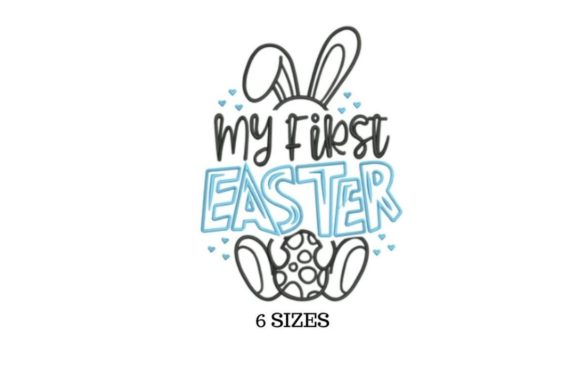
My First Easter: A Designer's Honest Review
As an experienced embroidery designer who spends countless hours evaluating digital assets for both personal studios and client orders, I approach every new download with a mix of excitement and caution. The market is flooded with designs, but finding one that balances aesthetic charm with technical reliability can be challenging. Recently, I came across My First Easter, a product available on Creative Fabrica. Before committing to using this design in a real commercial project or a custom order for a small business, I wanted to dissect what this machine embroidery design actually offers. This review is not just about the visual appeal; it is about how this embroidery file performs when stitched out on actual fabric for products like baby blankets, tote bags, or aprons.
First Impressions and Visual Mood
When you first open the folder for My First Easter, the initial feeling is one of gentle warmth. The description promises "lovely features," and upon inspection, the design delivers a soft, nostalgic mood perfect for the spring season. Unlike some aggressive or overly complex Easter motifs, this piece seems designed to capture the innocence of a baby's first holiday. The layout appears balanced, suggesting it would work beautifully as a focal point on a nursery wall hanging or as a subtle accent on a baby onesie.
The visual personality of the design leans towards delicate and sweet. It relies on clean lines and a cohesive theme rather than chaotic elements. For designers looking to create handmade products that feel premium, this is a strong starting point. The "cute" factor mentioned in the product details is evident, making it highly suitable for personalized gifts. Whether you are an Etsy seller preparing for the seasonal rush or a boutique owner stocking up on seasonal handmade gifts, the aesthetic of My First Easter aligns well with current trends in nursery decor and infant apparel.
Performance in Real-World Embroidery Projects
Visuals are only half the battle. The true test of any embroidery file lies in its execution on the machine. When considering My First Easter for a tote bag design or a sweatshirt embroidery project, one must consider the stitch density and the types of stitches used. Designs intended for babies often utilize softer textures, which usually means a thoughtful balance of satin stitches for outlines and fill stitches for larger areas.
If this design includes a mix of satin stitch and running stitch, it will likely offer a nice textural contrast. Satin stitches provide that crisp, professional look needed for lettering or distinct shapes, while running stitches add a whimsical touch that works wonderfully on kitchen towels or pillow covers. However, the performance on stretchy fabrics like sweatshirts depends heavily on the underlying structure of the design. If the fill areas are too dense, they might pucker the fabric, especially on lighter materials. Conversely, if the design is too sparse, it may lack the impact required for a high-end commercial embroidery item.
I also considered its potential as an embroidered patch or a decorative element on a cap. Curved surfaces like caps require designs that do not have excessive width or height, ensuring the stitches lay flat without bunching at the edges. For apparel decorators working with custom apparel, verifying that the design fits within standard hoop sizes is crucial. A design that looks great on a screen might fail if the digitizing did not account for the physical limitations of a 4x4 or 5x7 hoop.
Practical Considerations for Production
Before adding My First Easter to your inventory for Etsy listings or craft fair products, there are several practical steps every creative entrepreneur should take. One of the most common pitfalls in machine embroidery design is ignoring the specifics of the fabric. Dark fabrics require a different thread color strategy than light fabrics. If the design relies on white thread for highlights, it will disappear on a navy blue tote bag unless a contrasting underlay or specific thread choice is made.
Stitch density is another critical factor. High-density designs can cause issues on thin fabrics like cotton tea towels or delicate muslin used for baby items. If the design has large blocks of fill stitch, it might be best suited for heavier materials like denim or canvas. For textured fabric, the stability of the stitches is paramount. Using the proper stabilizer is non-negotiable here. Without adequate backing, even the most beautiful design can distort, ruining the finished product.
Small details are often where designs fall short. In a digital embroidery file meant for printable mockups, tiny elements might look sharp. However, when stitched out, these details can sometimes get lost or merge together. I strongly advise testing the design on scrap fabric before committing to a customer order. Check the thread color contrast carefully. Does the design pop against the material? Is the lettering legible? These questions determine whether a product feels like a mass-produced item or a genuine handmade product.
Impact on Brand Value and Customer Trust
For those selling design assets or finished goods, the quality of the embroidery directly impacts brand consistency. A poorly executed design can lead to returns and negative reviews, damaging trust with your audience. My First Easter, if it stitches cleanly, offers a high value proposition. It allows sellers to create items that feel special and thoughtfully crafted. The "baby's first" theme is inherently emotional; customers are willing to pay a premium for items that capture these milestones beautifully.
Furthermore, the versatility of the design enhances its utility. It can serve as a centerpiece for a nursery decor set, a charming addition to a pillow cover, or a festive touch on a seasonal gift. This adaptability makes it a valuable asset for small business owners looking to diversify their catalog without needing multiple different files. When photographing these items, a well-stitched design catches the light beautifully, improving the visual appeal of your product photography and driving engagement on social media platforms.
Final Thoughts on Implementation
In conclusion, My First Easter presents itself as a promising option for designers seeking a reliable, aesthetically pleasing design for the spring season. Its focus on "lovely features" suggests a design that prioritizes charm over complexity, which is ideal for the target demographic of parents and gift-givers. However, the success of your final product depends on your preparation. Always confirm the file details and licensing terms on the Creative Fabrica product page before selling finished items.
To ensure the best results, compare light and dark fabric mockups, inspect small details after stitching, and review the stitch density relative to your chosen material. By taking these precautions, you can leverage this Creative Fabrica embroidery asset to create high-quality embroidery projects that delight customers and uphold your reputation as a skilled artisan. Whether you are creating a single apron for a friend or launching a line of boutique merchandise, a careful evaluation of the design's technical aspects will ensure that your creative entrepreneurship thrives.