Snail Embroidery Design Review
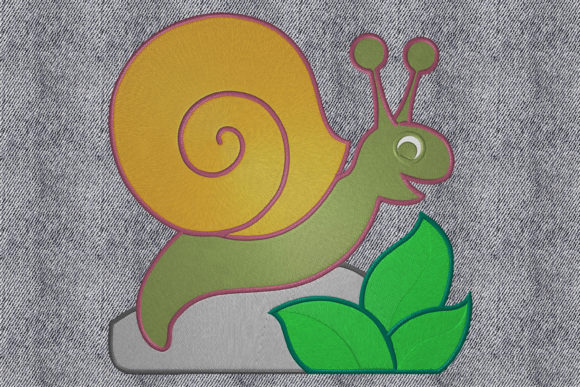
When I first opened the Snail embroidery design file, my initial reaction wasn't about the stitch count or the specific file formats included. Instead, I focused on the mood. There is something inherently charming and slightly whimsical about a snail that translates surprisingly well into thread. It creates a sense of slow, deliberate movement and quiet observation. For a designer looking to add personality to a project without overwhelming the viewer, this piece offers a perfect balance of simplicity and character.
As someone who has stitched hundreds of designs for client projects, small business merchandise, and handmade gifts, I know that not every animal motif works on every fabric. Some are too complex for a quick tote bag, while others lack the detail needed for a high-end nursery pillow. Snail sits in a sweet spot. It feels approachable enough for a baby onesie but structured enough to stand up as a standalone statement on a denim sweatshirt. The visual personality suggests a design that belongs in spaces where comfort and warmth are prioritized.
From Digital File to Finished Product
Imagine you are an Etsy seller preparing a new collection of personalized gifts for the upcoming holiday season. You need something unique that appeals to parents, crafters, and nature lovers alike. You pull up the Snail design to test on a custom embroidered tote bag. In the digital preview, it looks clean, but the real test happens when the needle starts moving.
In a real-world scenario, this machine embroidery design performs admirably on medium-weight fabrics like canvas or twill. When stitched onto a natural-colored tote bag, the contrast provided by standard thread colors allows the shape to pop without needing excessive density. However, if you are planning to use this for a commercial embroidery project on dark fabric, you will need to be strategic about your underlay and thread selection. A light-colored snail on black denim can look striking, but only if the fill stitches are dense enough to prevent the dark background from bleeding through the gaps.
I also considered how this would translate to a baby item, such as a muslin blanket or a soft cotton onesie. The curves of the shell lend themselves well to the softer aesthetic required for infant wear. It avoids the sharp angles that might feel too harsh for a nursery setting. When used as part of a set—perhaps paired with a simple leaf or flower—the Snail becomes a focal point that invites touch and interaction. This tactile quality is crucial for handmade products where the customer expects a certain level of care and craftsmanship.
Where Snail Shines: Versatility in Use Cases
The versatility of this embroidery file is one of its strongest assets. Whether you are a hobbyist working on a weekend project or a creative entrepreneur scaling a boutique brand, the applications are broad. Here is where I see Snail fitting best in your workflow:
- Custom Apparel: On a crewneck sweatshirt, placed over the heart or centered on the back, it adds a subtle nod to nature. It works particularly well on fleece or heavy cotton blends where the texture of the fabric complements the organic lines of the design.
- Home Decor: A pillow cover made from linen or cotton duck is an ideal candidate. The design's scale allows it to breathe within the square frame of the cushion, making it a delightful accent piece for a living room or reading nook.
- Kitchen Textiles: Tea towels and aprons often feature kitchen-themed motifs. A snail, while not a traditional chef symbol, brings a playful twist to a tea towel hanging near the sink. It humanizes the space and makes the finished product feel less generic.
- Small Shop Merchandise: For brands selling digital products or physical goods, this design serves as excellent design assets for printable mockups. Showing a customer what their name or logo would look like next to a stitched snail can increase engagement and sales conversion.
When evaluating the stitching clarity, the design appears to rely on a mix of satin stitches for outlines and fill stitches for the body. This combination ensures that the snail holds its shape even after multiple washes, which is a critical factor for customers buying personalized gifts or items intended for frequent use.
Cautionary Notes for Complex Applications
While Snail is a robust design, there are specific scenarios where a professional eye should exercise caution. Not every surface is suitable for every embroidery project. If you are attempting to stitch this onto a curved surface like a baseball cap, pay close attention to the distortion. Curved surfaces require careful hoop placement and potentially adjusting the digitizing to account for the fabric tension. Without proper stabilizer, the delicate curves of the shell could pucker or stretch out of alignment.
Similarly, textured fabrics present a challenge. While a rough linen might look rustic and nice, the uneven surface can make fine details disappear. If the design includes tiny lettering or intricate decorative accents around the shell, these elements might get lost in the weave of a heavily textured material. In such cases, it is often better to use a smoother backing or select a different design with bolder lines.
Stretchy fabrics, such as jersey knits, require extra attention. Using a cut-away stabilizer is non-negotiable here to prevent the embroidery from distorting when the garment stretches. If you plan to sell these items as commercial embroidery pieces, failing to account for fabric stretch can lead to customer returns due to poor durability. Additionally, on thin fabrics, the density of the fill stitches might cause the material to tear or become too stiff, ruining the drape of the final product.
Design Judgment and Professional Tips
Before committing to a large batch production or sending a file to a print-on-demand service, always run a test on scrap fabric. This step is invaluable for checking thread color contrast. Sometimes a color that looks vibrant on screen appears dull once stitched, especially if the thread sheen interacts poorly with the fabric texture. Inspect the small details closely; ensure that the running stitches or any fine lines are distinct and not merging together.
Review the stitch density carefully. High-density areas can create a stiff hand-feel, which might be undesirable for baby clothing or lightweight summer garments. Conversely, low-density areas might look sparse on darker backgrounds. Comparing light and dark fabric backgrounds in your mockups will give you a realistic idea of how the finished product will appear in the hands of a buyer.
For those selling digital embroidery files, confirm the licensing terms explicitly. Ensure that the Snail design allows for commercial use if you intend to sell the finished items. Clarify whether the license covers single-use projects or unlimited production runs. This distinction protects your business and builds trust with your clients.
Finally, consider the emotional resonance of the design. A snail is more than just an animal; it represents patience and carrying one's home. This narrative adds value to your handmade presentation. When a customer receives a personalized gift featuring this motif, they aren't just getting an embroidered patch; they are receiving a thoughtful, well-crafted object that tells a story. By paying attention to the nuances of stitch density, fabric choice, and stabilization, you ensure that the Snail design elevates your brand and meets the high standards expected by today's discerning crafters and consumers.