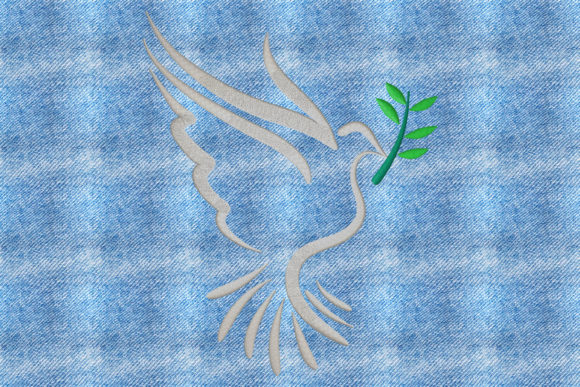
Pigeon of Peace Embroidery Design Review
I have spent years reviewing machine embroidery design files, testing everything from intricate floral bouquets to bold graphic logos. Most designs promise the world but fail when they hit the hoop. Today, I am looking at Pigeon of Peace, a piece categorized under Birds that claims to be a high-quality asset for pillows, t-shirts, and sweatshirts. As a designer who values practical application over marketing fluff, my goal is to determine if this file truly delivers on its promise for real-world projects, custom apparel, and small business merchandise.
The First Impression: Mood and Visual Personality
When you first open an embroidery file, the digital preview tells a story before a single stitch is made. Pigeon of Peace immediately establishes a mood of calm and approachability. Unlike aggressive or overly complex bird motifs, this design leans into simplicity. The silhouette suggests a resting posture, which translates well into a visual anchor for home decor or soft goods.
The layout feels balanced, avoiding the cluttered look that often plagues free or low-quality assets. For a creative entrepreneur, this matters because the design needs to communicate a message instantly. Whether it is intended for a nursery pillow cover or a boutique tote bag, the theme of peace resonates with buyers looking for comfort and positivity. It feels less like a generic clipart and more like a thoughtfully composed piece of art ready for conversion into thread.
Real-World Application: From Screen to Stitch
The true test of any design lies in its execution. I imagined Pigeon of Peace being used for a specific client request: a line of handmade baby items for a local boutique. The challenge was creating something that felt gentle enough for infant skin but durable enough to survive countless washes. This design fits that niche perfectly. The clean lines suggest that it would hold up well on cotton onesies or muslin blankets without becoming a tangled mess.
However, consider a different scenario: a custom sweatshirt for a community event. Here, the design serves as a statement piece. When applied to a heavy cotton blend, the contrast between the fabric texture and the satin stitches becomes crucial. If the design relies heavily on tiny, delicate details, those areas might get lost against the coarse weave of a hoodie. But if the fill stitches are substantial, the pigeon stands out boldly. This versatility is what makes it a strong candidate for both personalized gifts and commercial embroidery projects.
I also visualized using this for an embroidered patch. The shape is compact enough to fit on a denim jacket pocket or a canvas apron. For an Etsy seller, this could be a standout product in a collection of handmade accessories. The design allows for creativity in thread colors; swapping standard black and white for pastel blues or warm creams could completely shift the vibe from modern to vintage, proving its adaptability as a design asset.
Navigating Technical Challenges and Limitations
No design is perfect for every situation, and honest evaluation requires acknowledging where Pigeon of Peace might struggle. One immediate concern is the placement on curved surfaces like caps. While the design is likely scalable, tight curves can distort straight lines. If the pigeon has long wings extending outward, they might bunch up near the brim of a hat unless the digitizer accounted for significant stretch compensation.
Fabric choice is another critical factor. On thin fabrics, such as lightweight polyester blends or sheer materials, dense stitch areas can cause puckering. Without proper stabilizer, the tension required to hold the design together might pull the fabric out of shape. Similarly, dark fabrics require careful consideration of thread colors. If the design uses light outlines, they may disappear entirely unless a contrasting underlay or topstitch is added. This is not a flaw in the design itself, but a variable the embroiderer must manage.
Hoop size is also a limiting factor. If the original digitization assumes a large 5x7 hoop, shrinking the design down for a small 4x4 hoop might result in lost details. Tiny elements, such as the eye or fine feather textures, could become indistinguishable blobs of thread. Before committing to a production run, I strongly advise checking the minimum recommended hoop size. For products that need frequent washing, like kitchen towels or aprons, ensure the stitch density is sufficient to prevent the threads from pulling out over time.
Design Notes for the Professional Creator
If you are planning to use this file for a craft business or sell finished products, there are several steps you must take to ensure quality. First, always test the design on scrap fabric that matches your final project material. This reveals how the stitch density interacts with the fabric texture and helps you adjust the stabilizer accordingly.
Review the colorway options. Since the description mentions multiple formats, check if the file includes separate layers for different thread colors. This allows you to customize the palette to match your brand identity. A monochromatic version might work best for a minimalist aesthetic, while a multi-color version could add vibrancy to a holiday gift item.
Inspect the small details closely. Zoom in on the digital preview and look for any jagged edges or unintended gaps in the satin stitches. These imperfections can ruin the professional look of a finished product. If you are unsure about the licensing terms, verify whether the file allows for commercial use. Many designers sell personal-use files only, so selling a tote bag with this design could lead to legal issues if the license is not confirmed.
Impact on Brand and Customer Perception
In the world of handmade goods, presentation is everything. A well-executed Pigeon of Peace design elevates the perceived value of a product. Customers associate clean stitching and thoughtful design with trustworthiness. When a buyer sees a beautifully stitched bird on a pillow or a sweatshirt, they perceive the entire brand as professional and reliable.
This design also offers emotional resonance. In a market saturated with generic patterns, a motif representing peace stands out. It invites conversation and connection, which is vital for engagement on platforms like Etsy or at craft fairs. A well-placed embroidered patch on a tote bag can serve as a subtle branding tool, turning customers into walking billboards for your shop.
Ultimately, Pigeon of Peace appears to be a solid addition to a designer's library. It balances artistic appeal with technical feasibility, provided the user takes the necessary precautions regarding fabric, hoop size, and stabilization. For those looking to create meaningful, high-quality items, this design offers a versatile foundation that can be adapted to meet the demands of various markets, from baby wear to adult apparel.
Before you start your next project, remember that the success of the final product depends as much on your technique as it does on the file itself. Test thoroughly, plan your stabilizer strategy, and let the design shine. With the right approach, Pigeon of Peace can transform simple materials into cherished keepsakes or profitable merchandise.