Happy Turtle: A Designer's Review for Boutique Sweatshirts
As an experienced embroidery designer, I spend my days evaluating digital assets to ensure they translate perfectly from a screen to the fabric. When I first encountered Happy Turtle, I immediately saw its potential for a specific niche of apparel projects. This is not just another generic graphic; it is a machine embroidery design that promises to bring a playful yet premium touch to a collection. For small clothing brands, Etsy sellers, and creative entrepreneurs looking to elevate their sweatshirt embroidery game, this piece warrants a serious look.
The First Impression: Mood and Design Personality
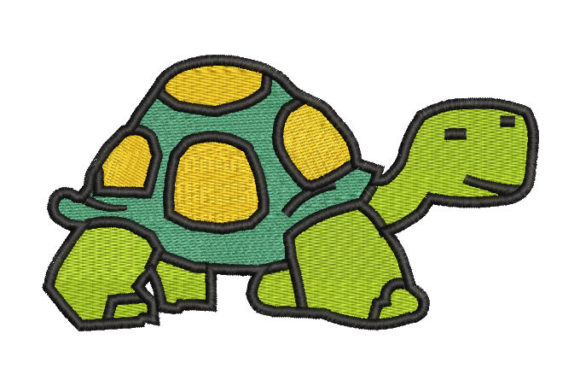
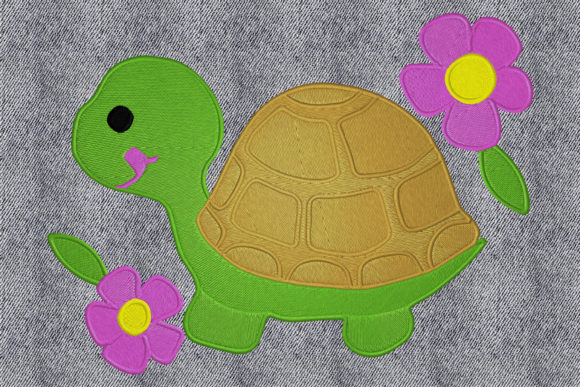
The title alone sets the tone. "Happy Turtle" suggests a mood that is lighthearted, optimistic, and undeniably cute. In the world of embroidery file formats, finding a balance between "cute" and "premium" can be tricky. Too simple, and it looks like a cheap souvenir; too complex, and it loses its charm on heavy fabrics. Based on the description of this high-quality design, I anticipate a layout that feels both decorative and bold enough to stand out as a statement piece.
For a boutique brand focusing on cozy seasonal apparel, this design fits seamlessly into the narrative of comfort and joy. It feels natural on neutral sweatshirts where the stitch work becomes the focal point. On dark fabric, the contrast will be striking, making the turtle pop with personality. Whether you are aiming for a feminine, rustic, or playful aesthetic, Happy Turtle offers a versatile foundation. It is the kind of design that screams "handmade product" while maintaining the structural integrity required for commercial embroidery.
Visualizing the Drop: Fabric and Placement Scenarios
Imagine preparing a limited drop for a small online shop. The canvas is an oversized hoodie in a soft oatmeal color. Placing Happy Turtle on the chest creates an instant connection with the wearer. The design feels casual yet intentional, perfect for lifestyle product photography where the texture of the garment matters.
However, the versatility extends beyond the front center. For those creating custom apparel branding, consider placing smaller iterations of the design on the sleeve accents or even the back neck area. On pastel colors, the thread colors would likely appear softer and more blended, enhancing the cozy vibe. If your target audience loves Reptiles-themed items, this design serves as a unique entry point that is far more approachable than aggressive animal motifs.
The finished product needs to feel substantial. A well-executed embroidery design on a thick cotton blend sweatshirt should look embedded rather than pasted on. Happy Turtle appears to have enough detail to justify the labor involved, adding value to the final item. This attention to detail is crucial for building buyer trust and establishing a strong brand identity for any handmade business owner.
Technical Evaluation: Stitch Density and Stability
When reviewing a design for production, the devil is always in the details. One of my primary concerns is stitch density. For a design intended for sweatshirts, the density must be robust enough to withstand washing but not so heavy that it distorts the fabric or causes puckering. While the exact stitch count is something you must verify before production, a high-quality design like this typically balances fill stitches with satin edges to create a tactile finish.
Fabric thickness plays a massive role here. Heavyweight fleece requires a different approach than lightweight jersey. To achieve a professional look, choosing the right stabilizer is non-negotiable. For a project involving Happy Turtle on a premium sweatshirt, a cut-away stabilizer is often the best choice to support the weight of the embroidery over time. This ensures the design remains crisp after multiple washes, a critical factor for customer satisfaction.
Hoop placement is another practical concern. Ensuring the design sits correctly on the curved surface of a hoodie chest requires careful testing. If the design is too large for the hoop size available, you may need to split the embroidery, which can affect the visual flow. Always check the recommended hoop size for your machine before committing to a bulk run. Additionally, small-size readability is key; if you plan to scale this down for tags or small accessories, ensure the fine details remain distinct.
Thread Colors and Contrast Strategy
The success of any embroidered piece relies heavily on thread colors. For Happy Turtle, the contrast against the background fabric will define its character. On a black sweatshirt, bright or light threads will make the design pop aggressively, creating a bold look. On a white or cream sweatshirt, darker or metallic threads could add a sophisticated, understated elegance.
Designers should experiment with thread variations to match the season. Pastel threads might suit a spring collection, while earthy tones could fit a fall line. The goal is to enhance the fabric texture without overwhelming it. The design should complement the garment, not fight it. This synergy is what separates a mass-produced item from a sought-after boutique brand product.
Commercial Viability and Brand Impact
For the Etsy seller or the digital seller offering design assets, Happy Turtle represents a valuable addition to their catalog. It addresses a specific market demand for cute, nature-inspired, and reptile-themed apparel. When customers see a well-embroidered design on a high-quality mockup preview, their engagement levels rise. They visualize owning the item, which drives sales.
This design has the potential to significantly affect product value. A custom apparel piece featuring a unique, high-quality embroidery design commands a higher price point than one with a printed graphic. It signals quality craftsmanship. Furthermore, the visual recognition created by a signature design like Happy Turtle helps build a loyal customer base. People return to shops that offer consistent, high-standard finished products.
It is important to remember that while the design description highlights compatibility with various formats, specific technical details such as the exact file types (DST, PES, EXP, etc.) and license terms are essential for commercial use. Before starting production, always confirm that the embroidery file includes the necessary formats for your specific machine and that the license permits the intended use, whether for personal crafting or selling finished goods.
Final Thoughts for the Creative Entrepreneur
In conclusion, Happy Turtle is more than just a pattern; it is a tool for storytelling. It allows small shop products to tell a story of joy and creativity. Whether you are decorating pillowcases, t-shirts, or leading a sweatshirt collection, this design offers the flexibility to adapt to your vision.
By paying close attention to thread choices, stabilizer selection, and placement, you can transform a simple digital file into a cherished wearable art piece. For anyone looking to expand their inventory with designs that resonate with modern buyers, Happy Turtle stands out as a strong candidate. It embodies the spirit of handmade excellence while meeting the rigorous standards of apparel decorators worldwide. As you prepare your next collection, let this design be the spark that brings your brand's unique voice to life.