Elephant Face: A Designer's Real-World Review
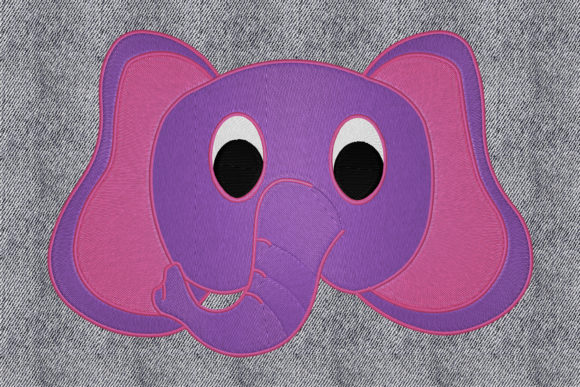
When I first opened the Elephant Face design file, my immediate reaction wasn't about the stitch count or the specific machine compatibility. It was about the mood. There is a distinct warmth to this piece that sets it apart from generic animal motifs often found in the Wild Animals category. As a designer who spends hours evaluating assets for client projects and my own handmade shop, I look for designs that tell a story before they even hit the hoop. This particular design feels playful yet dignified, capturing the gentle giant persona without relying on cartoonish exaggeration.
I decided to put this design to the test immediately rather than just staring at the preview image. My goal was to see how it would translate into a tangible product that could be sold as a handmade product or gifted to a loved one. I chose to create a custom embroidered tote bag for a local children's bookstore event. The project required something sturdy enough for daily use but charming enough to catch a customer's eye in a crowded craft fair booth. Here is exactly how the Elephant Face performed during the actual stitching process and what I learned about its potential for your own business.
The First Stitch: Texture and Visual Personality
The initial placement of the design on the fabric revealed some interesting characteristics regarding its layout. The face is centered with a strong focal point, which is crucial when you are working with limited space on items like sweatshirt embroidery or small embroidered patches. Unlike many designs that scatter details too thinly, this one maintains a cohesive shape that reads well even from a distance.
However, the visual personality of the Elephant Face relies heavily on thread color selection. When I tested it on a natural canvas tote, the texture of the fabric interacted beautifully with the fill stitches, giving the elephant a soft, tactile feel. But I have to note that if you are planning to use this on dark fabrics, you will need to be very strategic with your thread colors. The lighter areas of the face might get lost without a high-density underlay or a contrasting background layer. For a boutique product, the contrast between the design and the base material defines the perceived value. If the stitching looks muddy or flat, the finished product loses its professional edge.
Real-World Application: From Tote Bags to Nursery Decor
In my experience reviewing various machine embroidery designs, versatility is key. Can this design work across different categories? Absolutely. While I started with a tote bag, the proportions of the Elephant Face suggest it has immense potential for other applications.
- Baby Embroidery: The rounded features make this a perfect candidate for baby clothes, blankets, or nursery decor. Parents love unique animal themes, and this design offers a softer alternative to typical safari prints. Just ensure you use a low-tension setting to protect delicate infant fabrics.
- Custom Apparel: For custom apparel like hoodies or denim jackets, the design holds up well. However, on stretchy fabrics, you must be cautious. The density of the fill stitches can sometimes cause puckering if the stabilizer isn't robust enough.
- Kitchen and Home Goods: I also envision this looking fantastic on kitchen towels or aprons. The whimsical nature fits perfectly into a rustic or modern farmhouse aesthetic, adding a touch of personality to functional items.
For an Etsy seller or small shop owner, having a design that transitions seamlessly from a $15 tea towel to a $40 sweatshirt is a huge asset. It allows you to maximize your digital inventory without needing to purchase multiple variations of similar imagery.
Where to Exercise Caution
While I am generally optimistic about this design, there are specific scenarios where the Elephant Face requires careful consideration. Not every surface is created equal, and ignoring these nuances can lead to disappointing results.
First, avoid using this on extremely small hoop sizes unless you are willing to sacrifice detail. If you attempt to stitch this onto a baseball cap or a small pocket, the intricate lines of the trunk and ears may merge together, losing the definition that gives the character its charm. Similarly, textured fabrics like heavy wool or bouclé can obscure the finer points of the design. In these cases, the stitch density might not register clearly, making the final look appear cluttered rather than crisp.
Another critical area to watch is dense stitch areas. If your machine settings are not calibrated correctly, the layers of thread in the face could become so thick that the fabric becomes stiff. This is particularly problematic for items that need to drape softly, such as a baby onesie or a lightweight summer shirt. Always inspect small details before committing to a large production run. If the eyes or nostrils look distorted in your test run, adjust your tension or switch to a lighter weight thread.
Impact on Brand Consistency and Customer Trust
As a creative entrepreneur, I know that the quality of your embroidery directly influences customer trust. A sloppy stitch job can ruin the perception of a brand, no matter how good the product idea is. The Elephant Face design, when executed correctly, elevates the perceived value of your item. It signals attention to detail and care in craftsmanship.
Customers browsing online listings or visiting a craft fair subconsciously judge the quality of your work by the clarity of the stitching. A clean, well-defined elephant face suggests that you take pride in your output. This is especially true for personalized gifts. When a buyer sees a high-quality embroidery project featuring a beloved animal, they are more likely to view it as a premium keepsake rather than a mass-produced trinket. This distinction is vital for anyone selling commercial embroidery services or digital products.
Practical Designer Notes for Your Next Project
Before you download and start stitching, here are some essential steps to ensure success with the Elephant Face design. These tips are drawn from years of troubleshooting real-world embroidery challenges.
- Test on Scrap Fabric: Never go straight to your final product. Use scrap fabric that matches the weight and texture of your intended item. This helps you gauge how the design interacts with the material.
- Check Thread Color Contrast: Review your color palette against the fabric background. If the design is light, ensure you have a dark thread option or consider adding a backing layer to prevent show-through.
- Review Stitch Density: Look closely at the fill stitches in the design file. If they seem too heavy for your fabric type, you may need to adjust the settings or choose a different stabilizer.
- Confirm Hoop Size: Ensure your hoop size accommodates the entire design without cutting off edges. If you are working on curved surfaces like caps, verify that the design can be adapted for the curvature.
- Inspect Small Details: Zoom in on the eyes and trunk. Are the lines clear? If not, you might need to simplify the design or change the thread thickness.
- Use Proper Stabilizer: The right stabilizer is non-negotiable. For stretchy fabrics, a cut-away stabilizer provides the necessary support to prevent distortion.
- Verify Licensing: If you plan to sell finished items made with this design, confirm the licensing terms. Some digital embroidery files allow personal use only, while others permit commercial sales. Check the specifics provided with the download.
The Elephant Face is more than just a pattern; it is a versatile tool for creators looking to add a touch of whimsy and quality to their portfolio. Whether you are designing for a holiday gift, a boutique collection, or a personal project, this design offers a solid foundation. By paying attention to the technical details and understanding where the design shines, you can turn a simple digital file into a standout finished product that customers will love.
Remember, the best embroidery projects come from thoughtful preparation. Take the time to mock up your ideas, perhaps using a printable mockup to visualize the final result before you ever thread your needle. With the right approach, the Elephant Face can become a signature element in your craft business, helping you build a reputation for excellence and creativity.